Cleco shares tips for Utility Scam Awareness Day
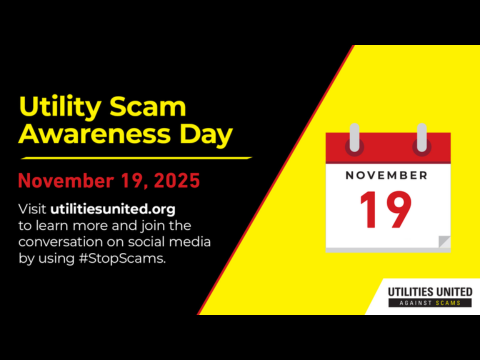
Utility Scam Awareness Day is recognized on November 19, and Cleco is reminding customers of the evolving tactics that scammers use to target customers.
Cleco is a member of Utilities United Against Scams (UUAS), an international group of utilities who work together to raise awareness of common scams and new tactics being used by scammers.
“Raising awareness and educating customers about scams is a priority for Cleco,” said Tracy Daigrepont, director of customer experience at Cleco. “Customers should call Cleco directly to check on the status of their accounts if they are ever unsure about the authenticity of a caller or the identity of a service worker, or if they suspect any fraudulent activity.”
How Cleco customers can protect themselves:
- Slow down
Take your time. Scammers pressure customers to act fast. Remember the following:- Cleco will never ask customers for their personal banking information over the phone.
- Cleco will never call customers to demand immediate payment or ask for payments using a pre-paid debit card, gift card, cryptocurrencies or third-party digital payment mobile application.
- Verify
Scammers often pose as utility company employees. If customers receive a phone call, text message, email or knock at the door, they should contact Cleco directly to verify the information using one of the following communication channels:- Phone: 1-800-622-6537
- Online: www.cleco.com (Contact Us page) or the company’s online customer information system, MyAccount
- In-Person: Local customer service office
Common scams:
- Disconnection Deception
Scammers call threatening disconnection of your service, demanding immediate payment by prepaid cards. - Overpayment Tactic
Scammers call claiming you overpaid your utility bill, and you need to provide personal bank account information or a credit card number to facilitate a refund. - Door Knocking Impostor
Door-to-door impostors pose as utility workers to gain entry or access into unsuspecting victims’ homes. - Power Restoration Charge
Scammers call offering to restore your electricity more quickly for a fee after a severe storm that caused widespread power outages. - Number Spoofing
Scammers will spoof a callback number that closely resembles the utility’s number.